
What Is Minimally Invasive Cardiac Surgery?
Minimally invasive cardiac surgery is a modern way to treat heart problems. Unlike traditional open-heart surgery, doctors use small cuts instead of one large opening. Because of this, the surgery is less painful and recovery is often faster. In the United States, many hospitals now offer this advanced option. Minimally invasive heart surgery uses special tools and cameras to help doctors see and fix the heart. This method is safe and effective for many patients.
Common Types and Procedures
There are several types of minimally invasive heart surgery. Each type treats different heart problems. For example, doctors may use this method to:
Sometimes, doctors use robotic arms to help with the surgery. This allows for even more precise movements. As a result, patients often have smaller scars and less pain.
Symptoms or Conditions Treated
Doctors may suggest minimally invasive cardiac surgery for several heart conditions. For instance, you might need this surgery if you have:
If you have chest pain, shortness of breath, or feel tired easily, you should talk to your doctor. Early treatment can help prevent serious problems.
Benefits Compared to Traditional Surgery
Minimally invasive cardiac surgery offers many benefits. First, the cuts are much smaller. Because of this, you may have:
In addition, many patients feel better sooner. According to the American Heart Association, this type of surgery is just as safe as open-heart surgery for many people.
How the Procedure Is Performed
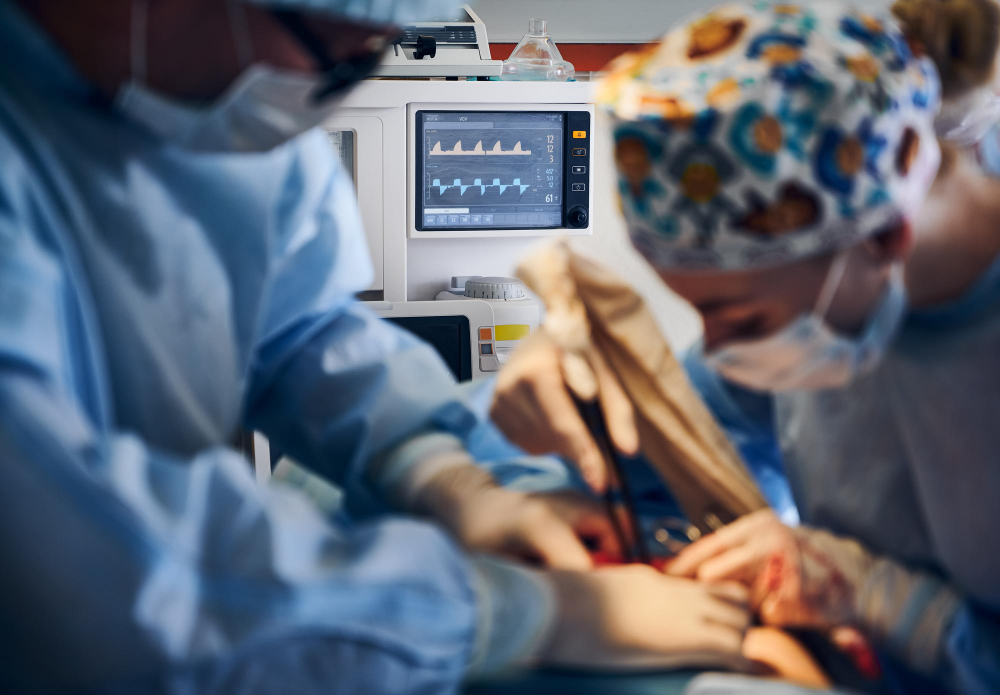
Before surgery, doctors will explain the steps and answer your questions. During the procedure, you will receive anesthesia to help you sleep. Next, the surgeon makes small cuts between the ribs. Then, special tools and a tiny camera are inserted. The camera sends images to a screen, so the doctor can see your heart clearly. After fixing the problem, the doctor closes the cuts with stitches or glue. Most surgeries take a few hours. However, the exact time depends on your condition.
Risks and Potential Complications
All surgeries have some risks. Even though minimally invasive heart surgery is safe, problems can still happen. Possible risks include:
However, your doctor will check your health before surgery to lower these risks. If you have questions, always ask your care team.
Recovery Process and Aftercare
After minimally invasive cardiac surgery, most people recover faster than with traditional surgery. Usually, you will stay in the hospital for a few days. While in the hospital, nurses will help you move and breathe deeply. Once you go home, you should:
In addition, gentle walking and light activity can help you heal. If you feel pain or have trouble breathing, call your doctor right away. Cardiac surgery recovery is different for each person, but most people return to normal life in a few weeks.
Prevention and Lifestyle Tips for Heart Health
Even after surgery, it is important to care for your heart. You can lower your risk of future problems by making healthy choices. For example, you should:
Because heart health is so important, regular check-ups can help catch problems early. The CDC and WHO both recommend these steps for a healthy heart.
Conclusion
Minimally invasive cardiac surgery is a safe and effective way to treat many heart problems. It offers faster recovery, less pain, and smaller scars. If you have heart symptoms or need surgery, consult a cardiologist to learn if minimally invasive cardiac surgery is right for you. For personalized advice, consult Dr. Pradheep K Rachakonda.