
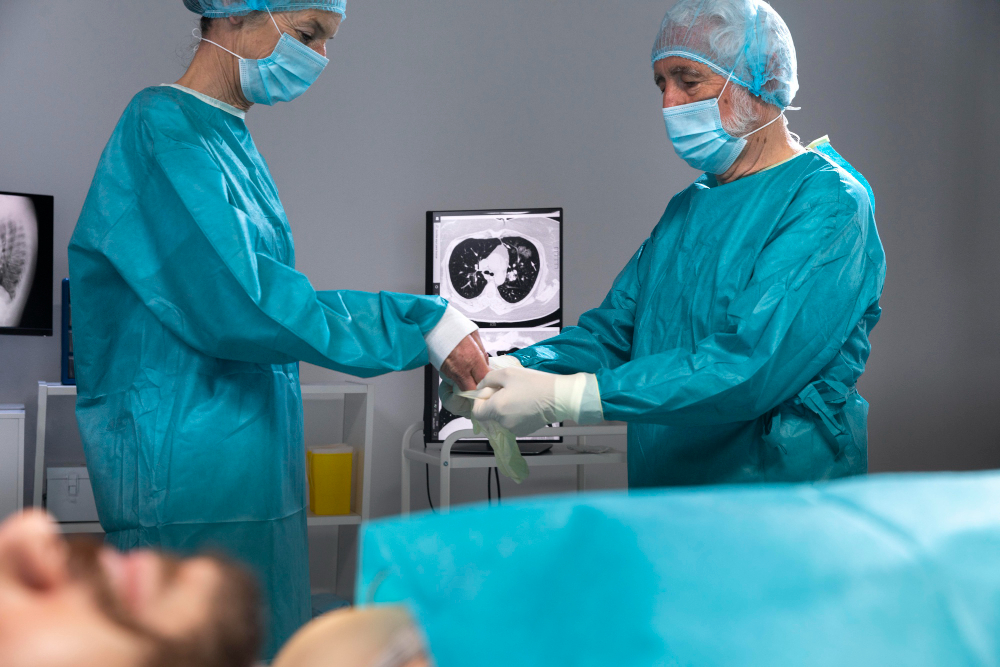
Valve replacement is a surgery that helps fix damaged heart valves. These valves control blood flow in your heart. When they do not work well, your heart cannot pump blood properly. Because of this, valve replacement can save lives and improve health. In this blog, you will learn about valve replacement, its symptoms, causes, types, and recovery. You will also find answers to common questions about heart valve surgery and cardiac valve replacement.
What is Valve Replacement?
Valve replacement is a procedure to remove a damaged heart valve and put in a new one. The new valve can be made from metal or animal tissue. Sometimes, doctors use a valve from a human donor. This surgery helps your heart work better. For many people, valve replacement means a longer and healthier life. According to the American Heart Association, this treatment is common and safe for most patients.
Common Symptoms Leading to Valve Replacement
Many people need valve replacement because their heart valves are not working right. Often, you may notice symptoms that get worse over time. For example, you might feel tired or short of breath. Other signs can include:
If you notice these symptoms, it is important to talk to your doctor. Early treatment can help prevent serious problems.
Causes and Risk Factors
Several things can cause heart valve problems. Sometimes, people are born with faulty valves. Other times, valves get damaged over time. Common causes include:
Some people have a higher risk. For instance, older adults, people with a family history of heart disease, and those with high cholesterol are more likely to need valve replacement. Smoking and obesity can also increase your risk.
Diagnosis and Evaluation Process
Doctors use several tests to check your heart valves. First, they listen to your heart with a stethoscope. Next, they may order tests such as:
After these tests, your doctor will decide if valve replacement is the best option. Sometimes, they may suggest other treatments first.
Types of Valve Replacement Procedures
There are different ways to replace a heart valve. The choice depends on your health and the type of valve problem. The main types include:
Each method has benefits and risks. Your doctor will help you choose the best one for you.
Recovery and Aftercare
After valve replacement, you will spend a few days in the hospital. Doctors will watch your heart and help you manage pain. Most people can go home within a week. However, full recovery can take several weeks. During this time, you should:
Many people return to normal activities within two to three months. Cardiac rehab programs can help you get stronger and feel better faster.
Lifestyle Tips and Prevention
Even after valve replacement, healthy habits are important. For example, you can:
With these steps, you can protect your new heart valve and lower your risk of future problems.
Frequently Asked Questions
Conclusion:
Valve replacement can significantly improve your quality of life and heart health. If you experience symptoms or have risk factors, it’s important to consult a cardiologist for personalized advice on valve replacement. Reach out to Dr. Pradheep K Rachakonda for expert guidance and care.