
What is Dyslipidemia?
Dyslipidemia means you have unhealthy levels of fats in your blood. These fats include cholesterol and triglycerides. When these levels are too high or too low, your heart health can suffer. In fact, dyslipidemia is a major risk factor for heart disease and stroke. According to the World Health Organization (WHO), high cholesterol is a leading cause of heart problems worldwide. Because of this, understanding dyslipidemia is important for everyone.
Common Causes of Dyslipidemia
Many things can lead to dyslipidemia. Some causes are related to your lifestyle, while others are genetic. However, knowing the causes can help you take steps to lower your risk.
Because many causes are linked to daily habits, small changes can make a big difference.
Recognizing Symptoms
Often, dyslipidemia does not cause clear symptoms. Many people do not know they have it until a blood test shows high cholesterol. However, in some cases, signs may appear. For example, you might notice:
Still, most people feel fine. That is why regular check-ups are important for early detection.
How Dyslipidemia is Diagnosed
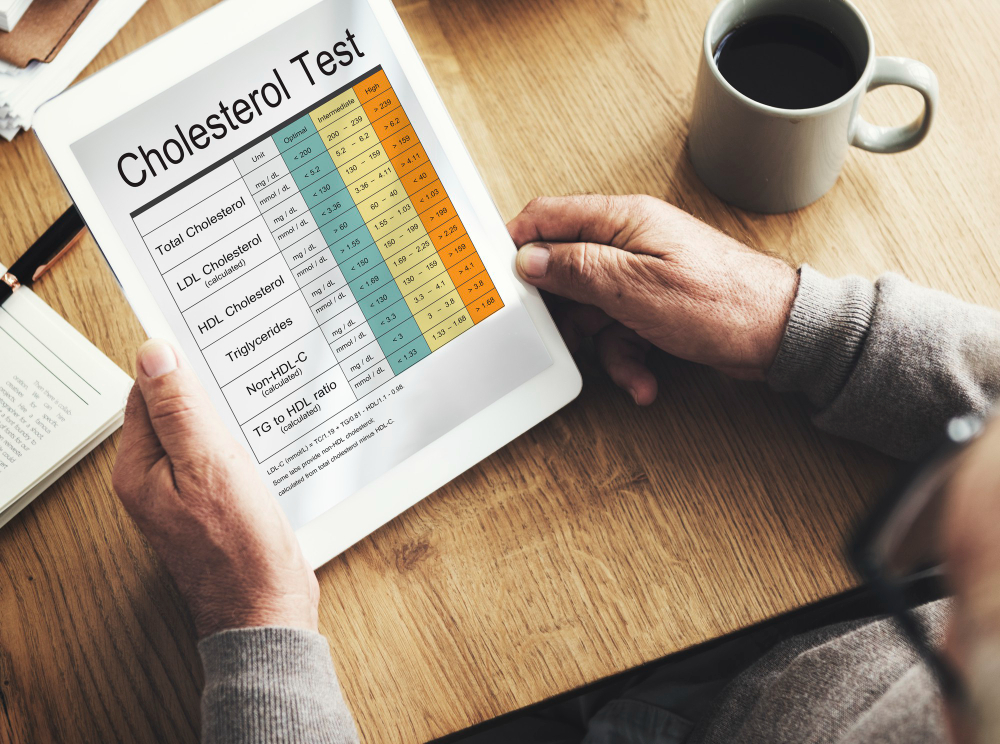
Doctors use a simple blood test called a lipid panel to check for dyslipidemia. This test measures:
Usually, you need to fast for 9 to 12 hours before this test. If your results show high cholesterol or triglycerides, your doctor will discuss next steps. Because early diagnosis helps prevent heart problems, regular screening is key.
Treatment and Management Options
Managing dyslipidemia often involves a mix of lifestyle changes and medicine. Your doctor will choose the best plan for you. Common dyslipidemia treatment options include:
Because each person is different, your treatment plan may vary. Always follow your doctor’s advice for the best results.
Lifestyle Tips for Heart Health
Even small changes can help lower cholesterol and protect your heart. For example, you can:
Because these steps support cholesterol management, they also lower your risk of heart disease.
Preventing Dyslipidemia
Prevention is always better than cure. You can lower your risk of dyslipidemia by:
Because family history can play a role, talk to your doctor if high cholesterol runs in your family.
In summary, dyslipidemia is a common but manageable condition. Early diagnosis and healthy habits can make a big difference. Consult Dr. Pradheep K Rachakonda for personalized advice on managing dyslipidemia.